Day Trading for Beginners: What Actually Works in 2026
Summary
Day trading for beginners changed in June 2026 when the SEC removed the $25,000 pattern day trader requirement, cutting the barrier to entry significantly. What did not change: the failure rate stays above 70% in year one. This guide covers the regulatory shift, three repeatable entry setups, paper trading as non-negotiable, the 1% risk rule, platform selection, and what AI-assisted market analysis can realistically do for a new trader.
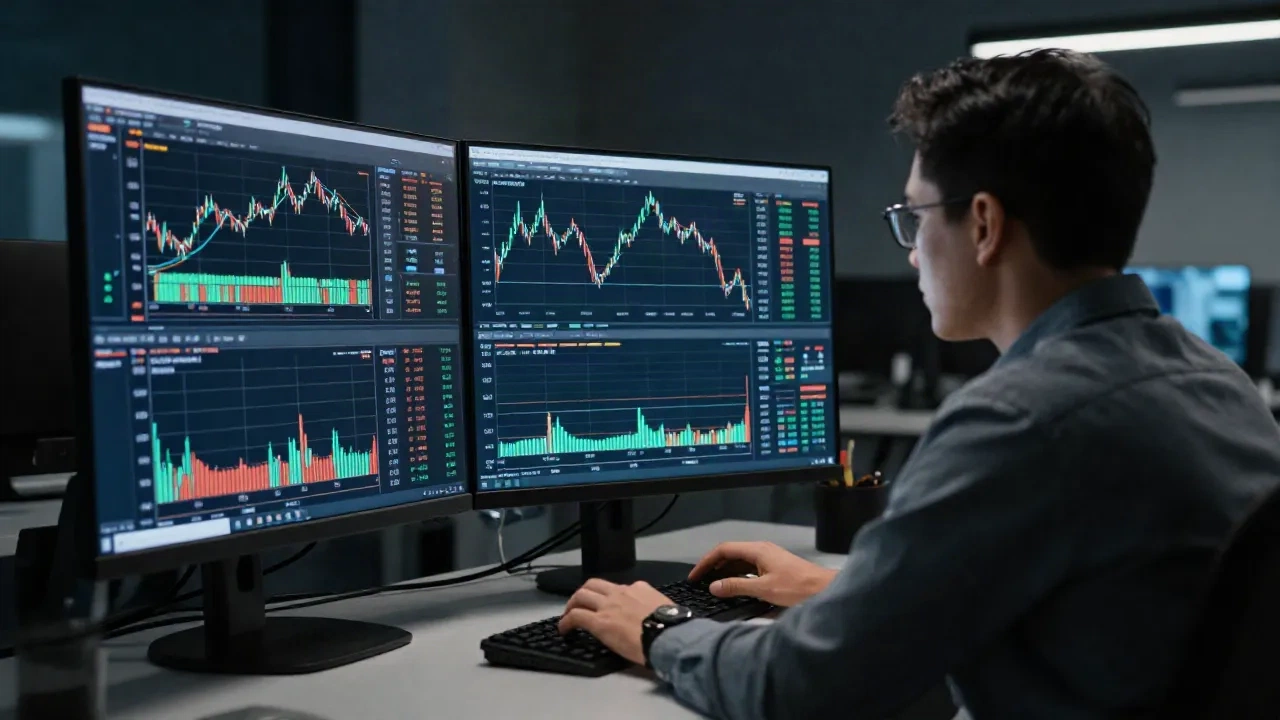
Day trading for beginners opens differently now than it did twelve months ago. The SEC removed the pattern day trader rule on June 4, 2026, cutting the minimum balance requirement from $25,000 to roughly $2,000 for a margin account. That regulatory shift matters. What it did not change is the reality that approximately 70% of first-time retail traders lose money within their first year. The six-month learning window is what determines whether you stay in the game or exit it early.
The PDT Rule Changed in June 2026: What It Means for New Traders
The pattern day trader rule required US retail traders to maintain a $25,000 minimum balance before placing more than three day trades in a rolling five-day period. That requirement no longer exists. The SEC eliminated it effective June 4, 2026, citing outdated rationale and disproportionate barriers to retail market participation.
The new framework ties buying power to actual margin exposure rather than a fixed dollar threshold. A $2,000 margin account gives access to day trading with standard margin capacity. A cash account with any balance works too, though T+1 settlement cycles restrict how quickly you can reuse capital after closing a position.
The practical implication for beginners: entry barriers dropped, but market mechanics did not change. Stocks still gap down on bad earnings. Spreads still widen in thinly traded names. Your edge still depends on setup quality and execution discipline, not account size. Lower barriers bring more participants into the market, which tends to increase competition at the most obvious entry points on any given day.
Three Setups Worth Learning Before You Touch Real Capital
Experienced day traders typically specialize in two to three setups they understand very well. Attempting to master six at once is one of the clearest signals of a trader who will not reach month six with capital intact.
For beginners, the three setups with the clearest risk-to-reward profile are:
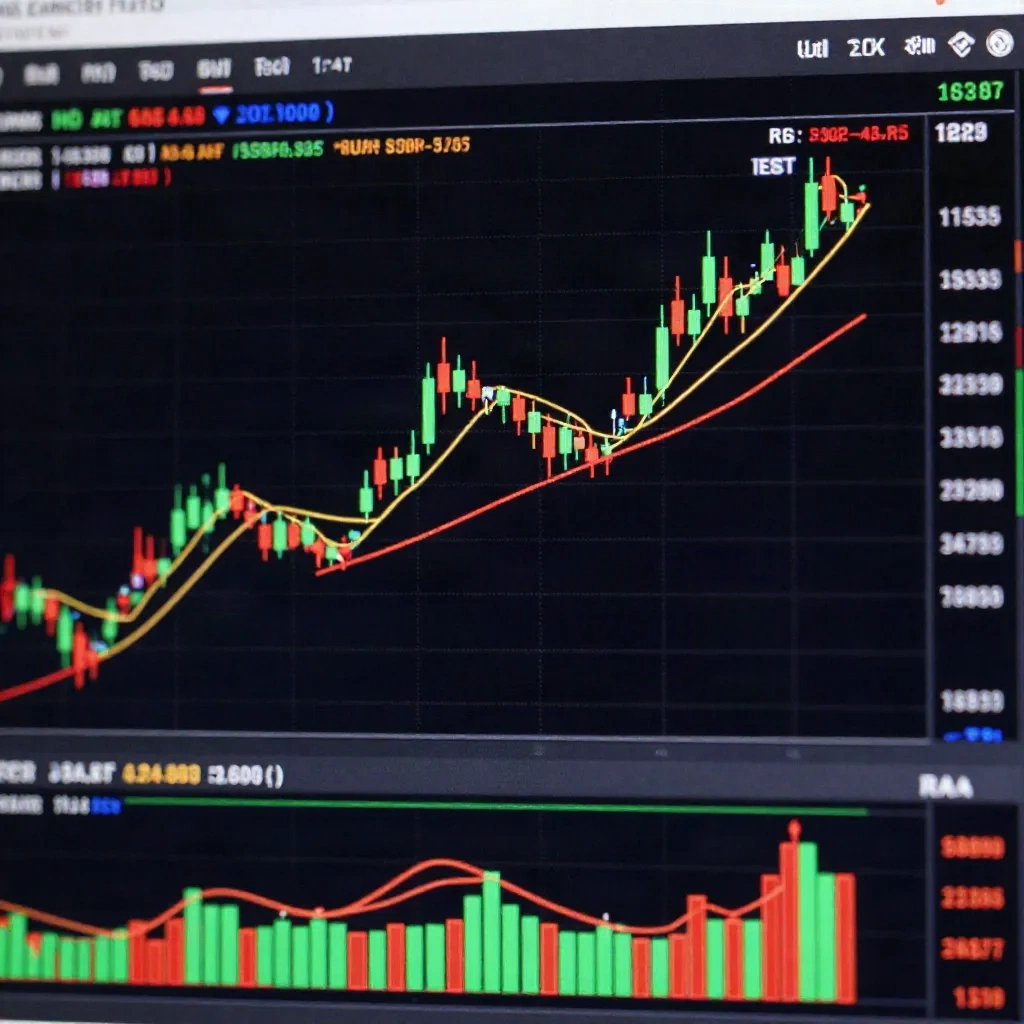
Opening-range breakouts: Most liquid large-cap stocks and index ETFs like SPY or QQQ establish a trading range in the first 15 to 30 minutes after the open. A confirmed break above or below that range with above-average volume is a clean entry signal. The setup is repeatable, filters early-morning noise, and gives you a defined stop at the opposite end of the opening range.
Momentum off a catalyst: When a stock releases earnings or news before market open and gaps significantly, the first clean pullback after the initial surge can offer a risk-controlled entry. You need a verifiable catalyst, significant pre-market volume, and a defined exit if the move reverses on low volume. Chasing after the gap opens is where most beginners destroy what could have been a profitable trade.
VWAP reclaim: Stocks that break below the volume-weighted average price and then reclaim it on increasing volume often continue higher for a measurable continuation move. This setup works best on market leaders with strong sector momentum and a clear intraday narrative driven by a headline or earnings result.
Opening-range breakouts give beginners the strongest signal clarity relative to execution difficulty. The others require reading momentum correctly under time pressure, which takes several hundred logged trades to execute with any consistency.
Paper Trading Is Not Optional: Log 100 Trades Before Real Money
The most common shortcut beginners take is moving directly from reading about a strategy to trading it with real capital. The gap between understanding a setup conceptually and executing it correctly under live market conditions is not small, and it is not visible until you are sitting with a position moving against you.
Paper trading with a simulator removes financial pressure while preserving real market data. The goal is not to practice until you feel ready. The goal is to log 100 or more trades and then review the numbers honestly: average win rate, average loss size versus average gain, the setups where you made clean decisions, and the ones where you hesitated and entered late.
Most platforms offer paper trading at no charge. Thinkorswim by Schwab is one of the better options because it uses live market data rather than delayed feeds, which matters when you are trying to simulate real execution timing. After 100 simulated trades with a win rate above 50% and a reward-to-risk ratio above 1.5, the transition to live capital makes structural sense.
Keep a trade log from the first simulated session. Date, ticker, entry price, stop level, exit price, size, and the reason for the entry. The log is your primary diagnostic tool. Without it, you have impressions. With it, you have data.

Risk 1% Per Trade: The Math Does the Rest
Stop losses are not a preference. They are the mechanism that keeps a losing streak from ending your trading account. Without them, a sequence of five bad trades can eliminate 30 to 50% of your capital. With a consistent stop discipline, the same losing streak costs roughly 5%.
The standard framework for beginners: risk no more than 1% of total capital per trade. On a $5,000 account, that is $50 per trade. On a $10,000 account, it is $100. Position size follows directly from the distance between your entry point and your stop-loss level.
Example: if you enter a stock at $50.00 and place your stop at $49.50, the risk per share is $0.50. With a $100 maximum risk budget, you can take 200 shares. This calculation prevents oversizing, which is the fastest path to a permanent exit from the market.
The 2% risk-per-trade rule, which some more experienced traders use, is more appropriate after 300 or more logged trades and a documented edge with real capital behind it. Before that threshold, 1% is more protective and more honest about where you actually are in the learning curve.
Choosing a Platform: What Actually Matters
Beginners often select platforms based on name recognition or a forum thread recommendation. More useful criteria are: the quality of the paper trading mode, order execution speed, charting tool depth, and the cost of premium data feeds.
Thinkorswim by Schwab consistently appears at the top of reviewed comparisons for retail day traders. It offers Level 2 quotes, advanced charting, a full paper trading environment with live data, and no platform fee. Interactive Brokers has faster execution routing but a steeper learning curve that works against most beginners in the first three months.
For mobile-first traders, Webull and Moomoo offer commission-free trading with built-in stock screeners and watchlist tools. They lack some charting depth compared to desktop platforms but are adequate for beginners who want to reduce interface complexity while building setup recognition skills.
Avoid platforms that charge high per-trade commissions on small accounts, or that route orders through arrangements that introduce noticeable fill-quality degradation. At the margin of a day trade, five cents of slippage per share adds up over a week of active trading.
AI-Assisted Market Analysis: What It Can and Cannot Do
AI market analysis tools have become part of the standard retail day trading workflow over the past eighteen months. They serve specific tasks well: screening large stock universes for technical setups, flagging unusual options volume that sometimes precedes a significant price move, and generating pre-market watchlists faster than manual scanning allows.
What these tools do not do: predict the direction of individual trades with reliable accuracy. Markets are non-deterministic at the intraday level. Any platform that claims otherwise is selling a story. The honest value of AI-assisted analysis is coverage before conviction. You get broader awareness of what is moving and why, in less time. The trade decision remains yours.
For beginners, the correct sequencing matters. Learn to read charts and setups manually first, build your paper trading log to 100 trades, then layer in an AI screening tool to expand the number of setups you can evaluate during the pre-market window. Starting with an AI tool and skipping the manual groundwork produces a trader who does not understand why a setup works, which becomes a significant liability when market conditions shift.
The Six-Month Reality Check That Separates Active Traders from Former Ones
The traders who reach consistent profitability at the twelve to eighteen month mark share three observable habits. They tracked every trade from the first session. They reviewed their log weekly and identified their best-performing setup categories. They reduced position size during losing streaks rather than increasing it to recover faster.
The ones who exited the market early typically did the opposite. They skipped the trade log because it was tedious. They increased position size after losing trades to recover the deficit faster. They added new setups every time a prior one stopped working rather than investigating why the execution failed.

The first six months of day trading should cost something. That cost is the price of building a real data set on your own decision-making under live market conditions. Treat that period as structured tuition rather than an income stream, and you arrive at month seven with an honest edge assessment and capital still in the account.
The question worth asking at six months: does the trade log show a genuine, repeatable edge in at least one setup category? If yes, size up slowly and document every change. If no, the more productive path is returning to paper trading before deploying additional real capital, not raising risk to try to recover the gap faster.